
Saint (Agios) Eleftherios
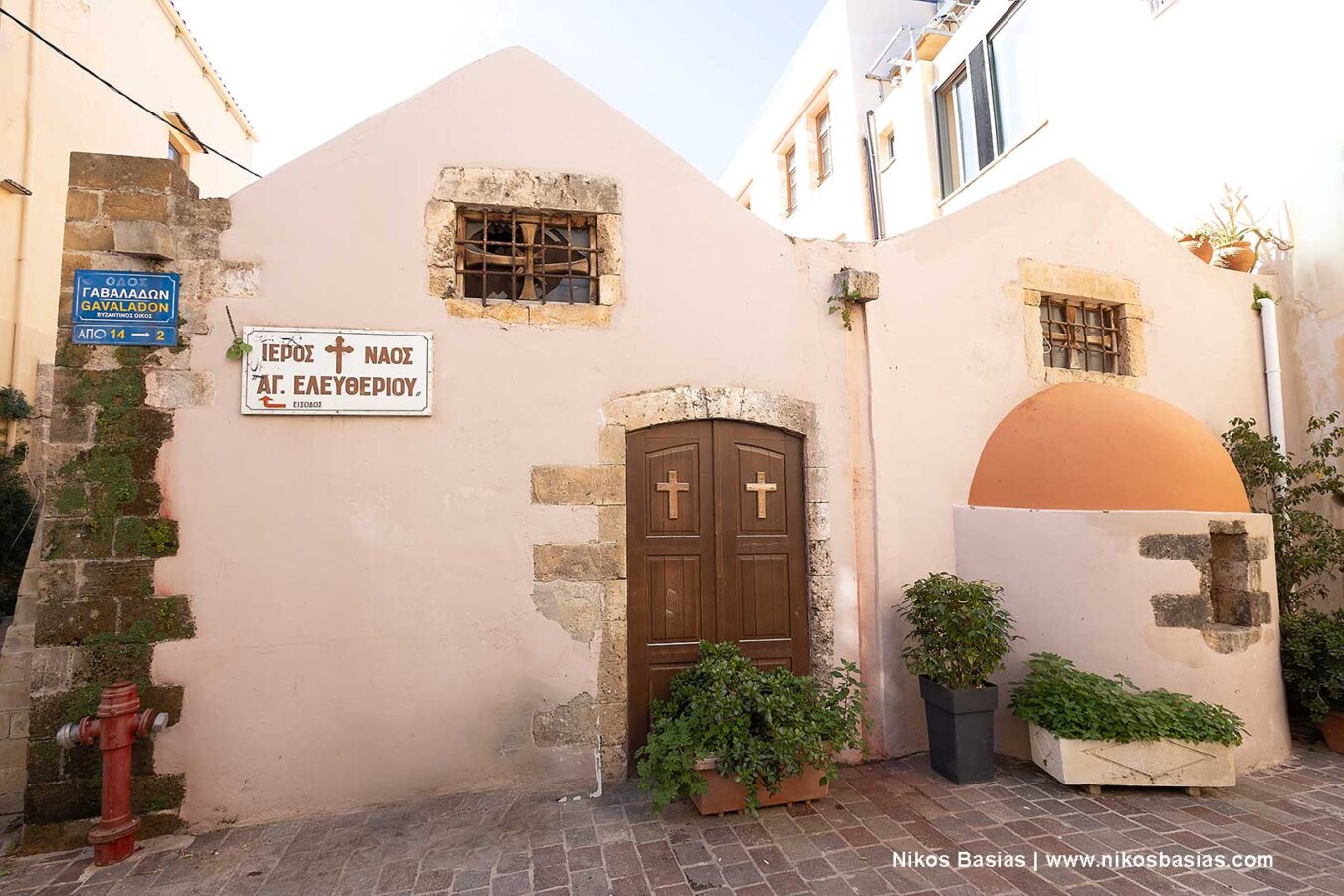
The Venetian Church of Saint Eleftherios on Gavaladon Street in the old town of Chania is a remarkable historical and architectural monument.
History and Architecture
The church of Saint Eleftherios was built during the Venetian period (1204-1669) in Chania. In the 1637 church census, it is mentioned as a parish church owned by the Skordilis – Marafani family. Its architecture is characteristic of the Venetian period, with a strong influence from the Italian Renaissance. The Venetians placed significant importance on the construction of churches and other buildings that reflected their style and aesthetics in the city.
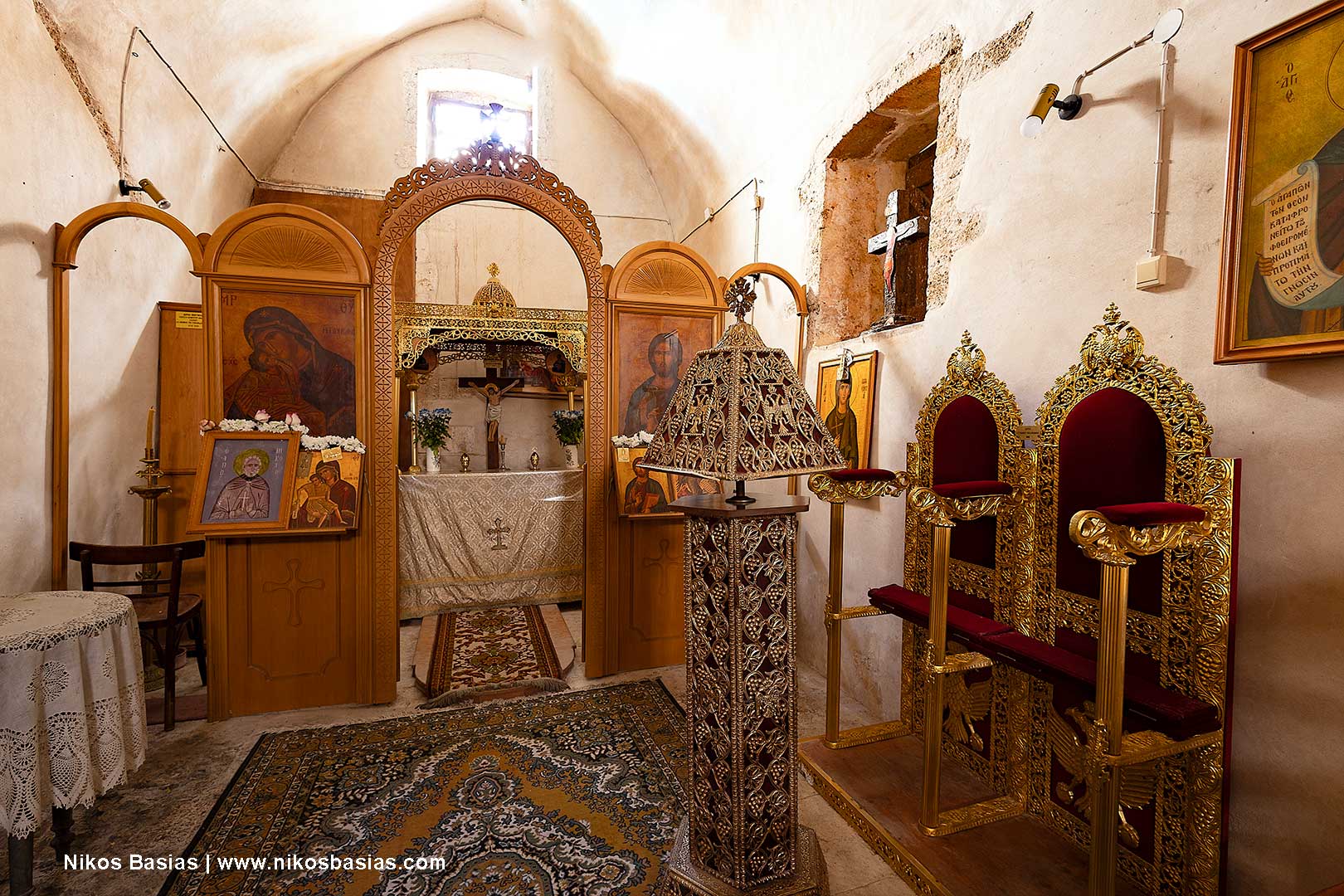
Religious and Cultural Significance
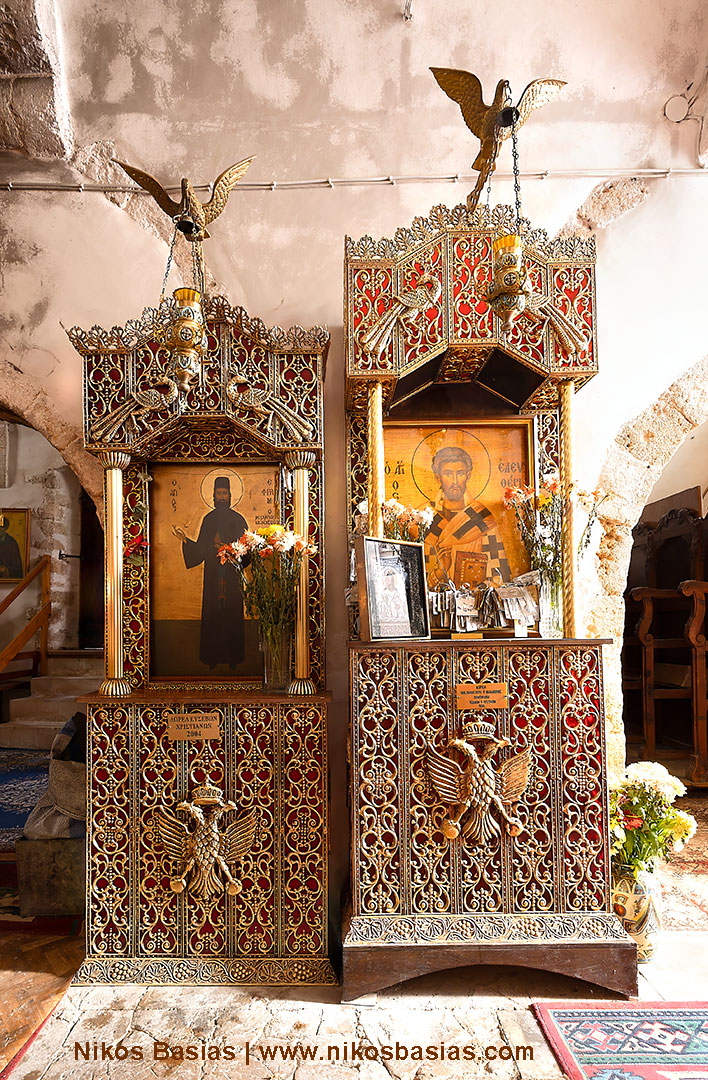
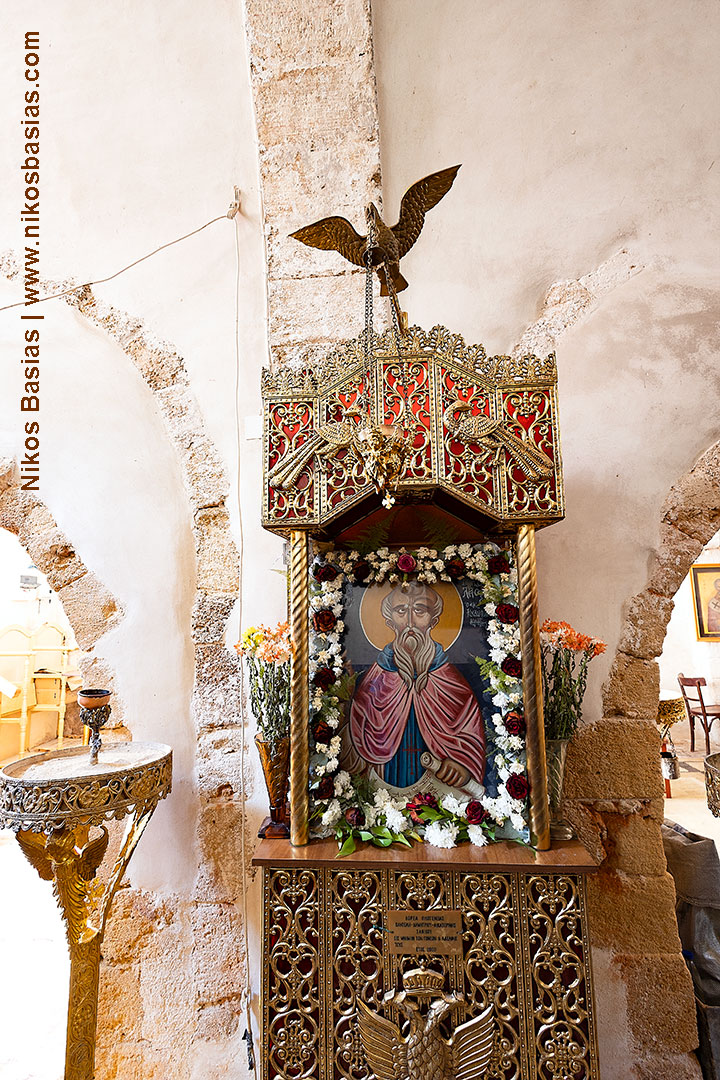
Saint Eleftherios is known in the Orthodox Church as the protector of pregnant women and newborns. This church was an important religious center for the inhabitants of Chania during the Venetian period and continues to hold great religious and cultural significance. Saint Eleftherios is celebrated on December 15th.
The church had three aisles and the second aisle is dedicated to a Cretan Saint, Saint Nicholas of Kydonias, whose feast day is celebrated on February 4th.
Location and Access
Gavaladon Street is located in the old town of Chania, an area rich in history and cultural heritage. The old town of Chania is known for its narrow picturesque streets, Venetian and Ottoman monuments, and its rich cultural history. Saint Eleftherios is just a few steps away from the Lotos Old Town Apartments, making it very easy to visit.
Maintenance and Visits
This three-aisled church has undergone significant alterations due to later uses. For a period, it was used as an oil storage facility, and one of its aisles was incorporated into an adjacent residence. Initially, the church had apses on each aisle on the eastern side, which were later removed. Due to subsequent landfills, the church’s level is now significantly lower than the street level. Today, the northern aisle of the church has been incorporated into the ground floor of an adjacent residence dating back to the Ottoman period.
The church is open to the public, and visitors can admire its architecture, learn about its history, and participate in religious ceremonies.