Museum “Eleftherios K. Venizelos”
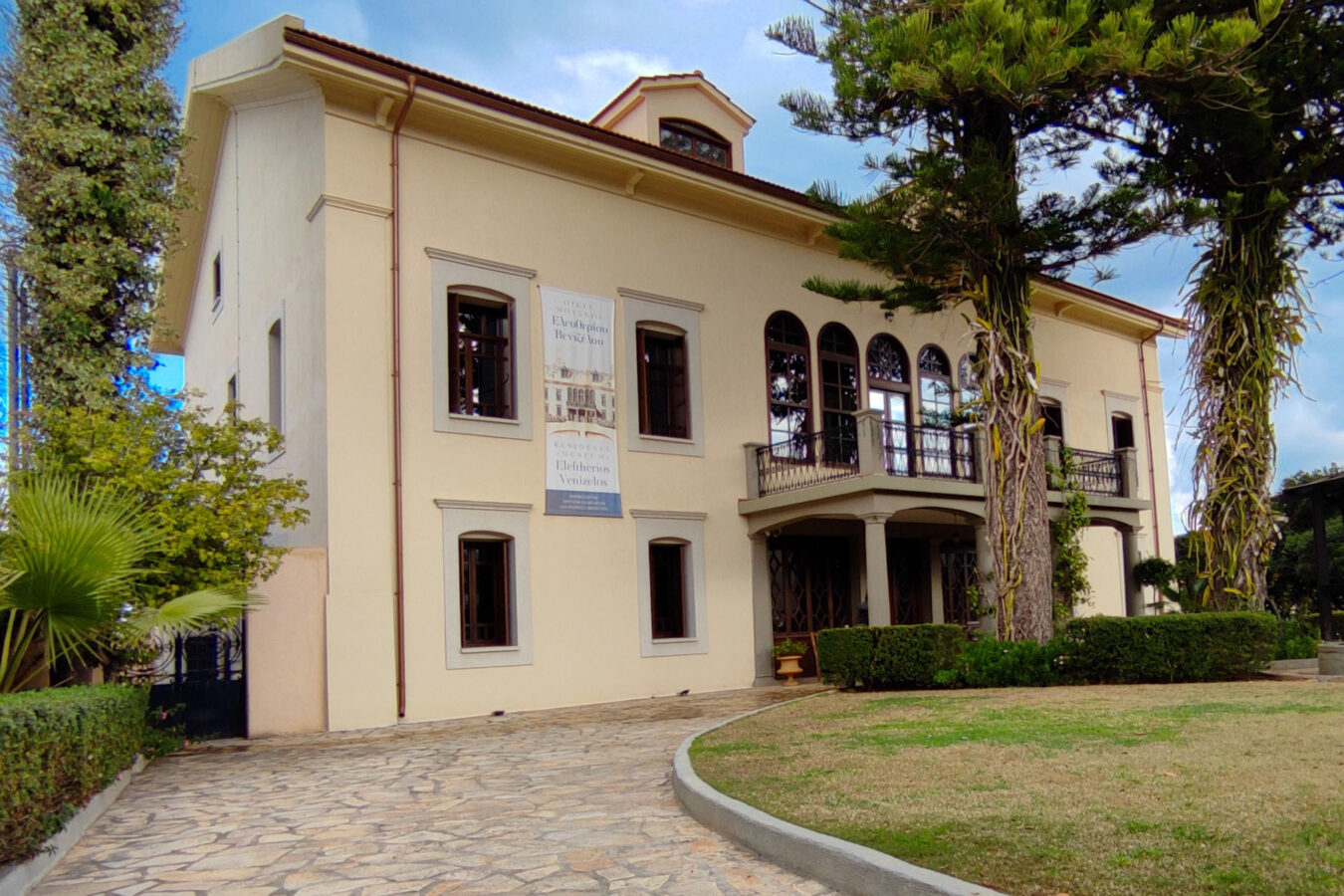
The Venizelos House is a prime example of an authentic residence, as it not only preserves real objects, but also tells the story of a person’s life.
Carefully maintained in their original placements, these objects reflect the owner’s unique vision and add to the overall charm and character of the house. However, the significance of this house-museum goes beyond its physical structure and curated collections. Thanks to a comprehensive and collaborative approach to museology, it serves as a powerful historical monument that holds great social and political significance.
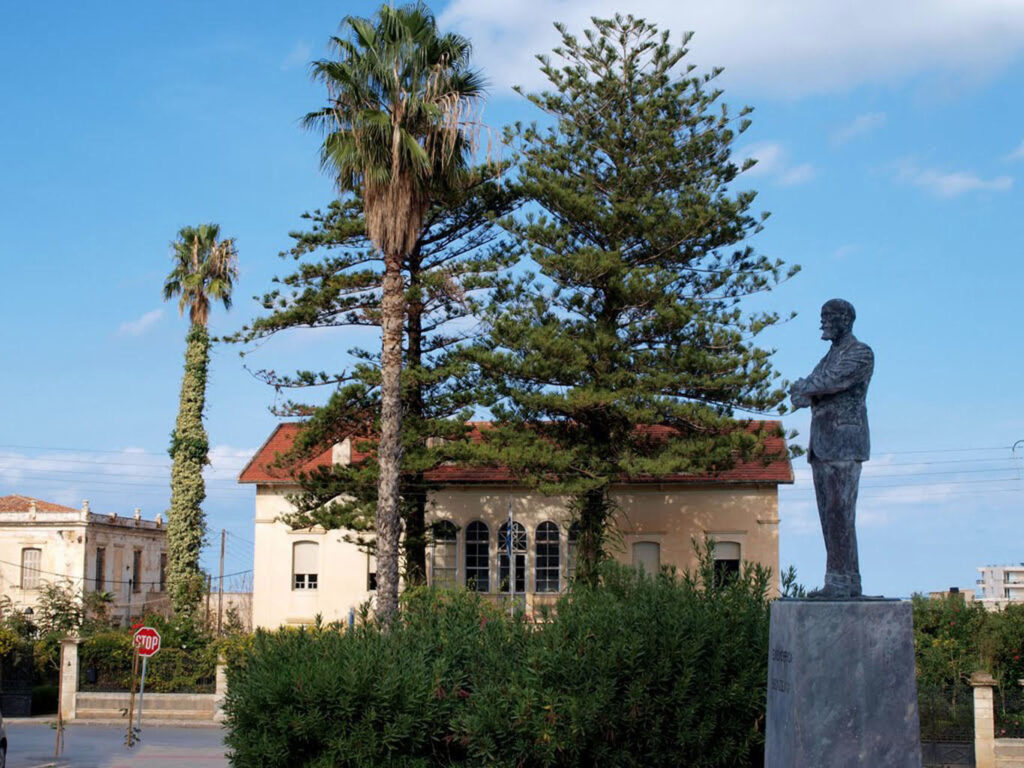
Venizelos’s father, Kyriakos, built this house in 1880. As a renowned politician, he oversaw renovations in 1927, paid for by Elena, which gave the home its modern appearance. This was the place where Venizelos spent most of his childhood, happily married to his first wife Maria, and where he raised his children. Sadly, it was also here that he suffered the devastating loss of his beloved wife. From the house of Halepa Venizelos started his political journey as revolutionary, leading movements in Akrotiri (1897), Therissos (1905), and Thessaloniki (1916. He then moved to Athens to become Greece’s Prime Minister in 1910, and later traveled to France with his wife Elena after the failed movement of 1935.
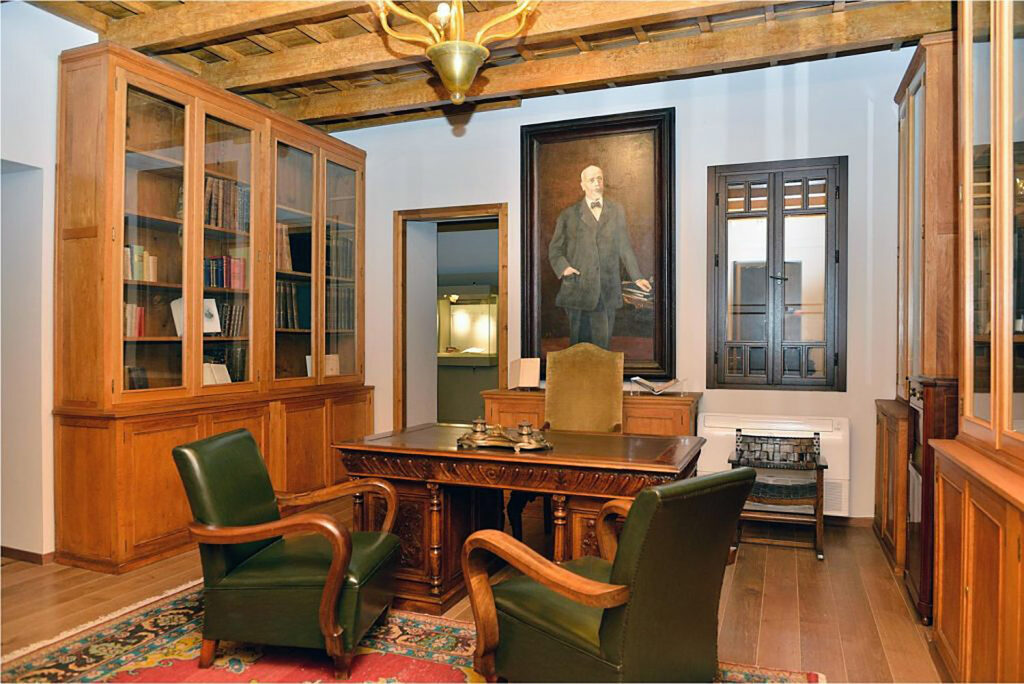
The impressive Venizelos residence boasts three floors and an impressive 1,000 square meters. It is a prime example of a 19th-century mansion, displaying elements of western design. Along the museum trail, 18 unique locations offer the opportunity to explore intriguing displays, significant historical artifacts, and educational materials. Visitors can journey through six well-preserved areas of the home, including an entrance hallway, living room, political office, dining room, personal office, and Venizelos’ own bedroom. The Venizelos family left these spaces intact when they handed over the property to the National Foundation “Eleftherios K. Venizelos.” Although it was destroyed during World War II, the smokehouse has been reconstructed to its former glory using a 1927 plan. It now houses a collection of rare books from Eleftherios Venizelos personal library.
The ground floor of the building retains its original structure, but murals commissioned by the German occupiers have enhanced it. The first floor is dedicated to Elena Venizelou, while the corridors of the upper levels showcase surveillance footage of the Venizelos family, as well as other homes where the renowned politician occasionally stayed. The play about Venizelos is thoughtfully arranged to take place in five distinct first-floor rooms and an attic-patio, each representing a different aspect of the leader’s life: “The Revolutionary,” “The Politician,” “The Diplomat,” “The Man,” and “The Myth.” The final part of the text delves into the two assassinations attempts made against Venizelos in 1920 and 1933.
Among the many fascinating artifacts on display at the exhibit are some notable items related to Venizelos himself. Take, for example:
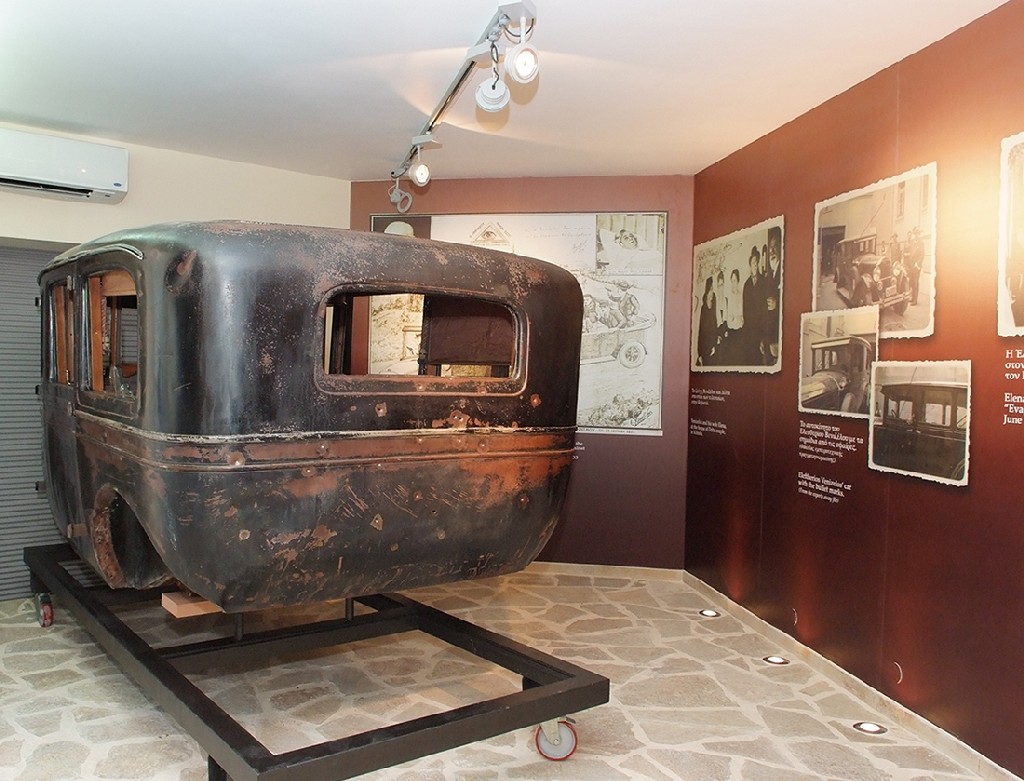
- The 1929 Packard automobile, riddled with 66 bullet holes, that he was driving during the infamous Kifissias Avenue murder attempt in 1933. Visitors will also have the opportunity to see an exact replica of this vehicle, one of only two remaining in the entire world
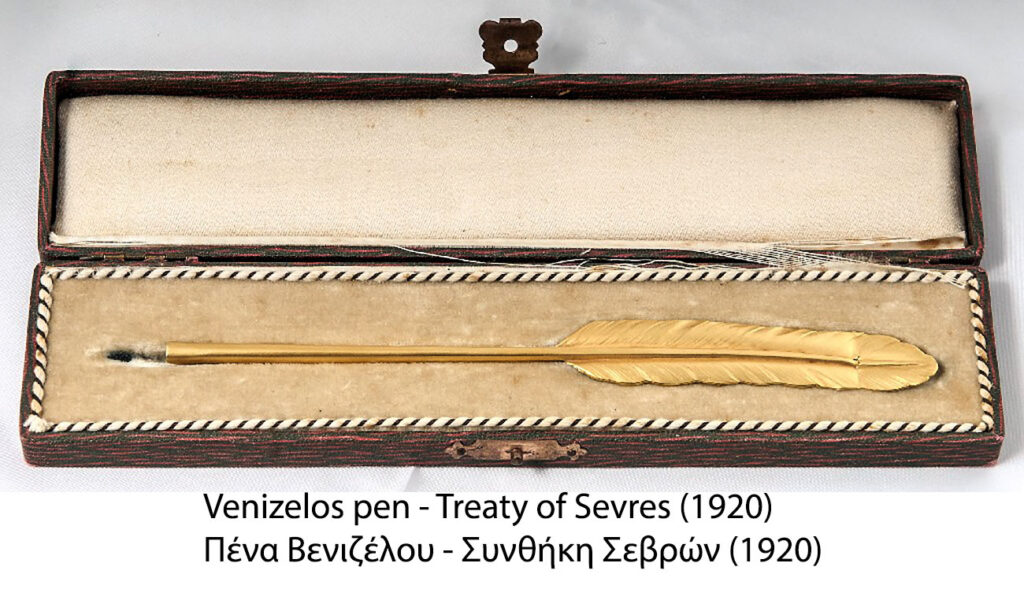
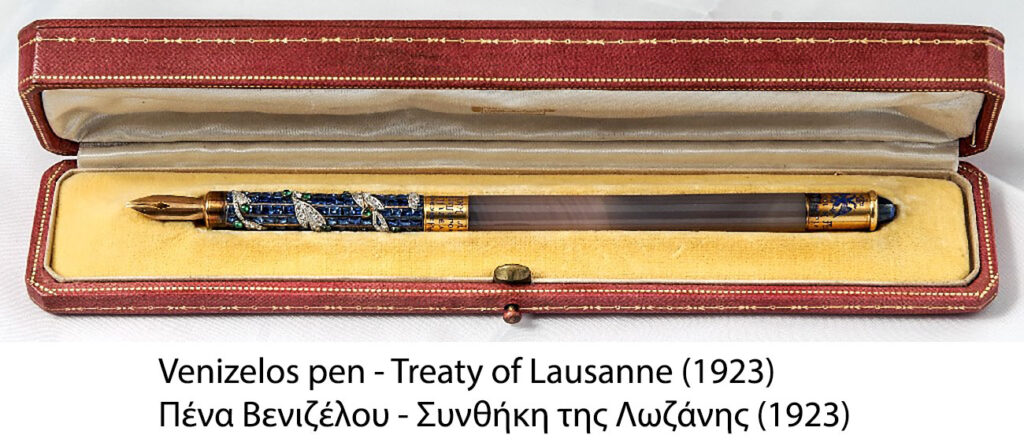
- The authentic pens he used to sign the Lausanne (1923) and Sevres (1920) treaties.
- The bloody clothes from the assassination attempt against him at the Lyon train station in Paris (1920).
- 280 carved stones used in the curse against him in 1916.
- Two vintage gramophones and rare 78 rpm records, which contain his recorded remarks
- The revolver he used as a revolutionary in Crete.
The map below shows the route to Eleftherios Venizelos home from Lotos Old Town Apartments.