Lissos
The ancient city of Lissos was built on the south coast of the Prefecture of Chania, in a tiny valley between Paleochora and ancient Syia (today’s Sougia).
Located near to the present day village of Rodovani, Lissos was a port of the Doric city of Elyros.
Before being completely destroyed in the ninth century by the Saracen Arabs, who came in great numbers from Spain, Elyros and its two ports, Sougia and Lissos, flourished during the Hellenistic, Roman, and Byzantine periods.
Thanks to the hot springs in the area, Lissos was renowned in antiquity for its renowned Asclepieion, which treated patients from all over Crete and even beyond Greek borders. Even now, these warm waters resurface.
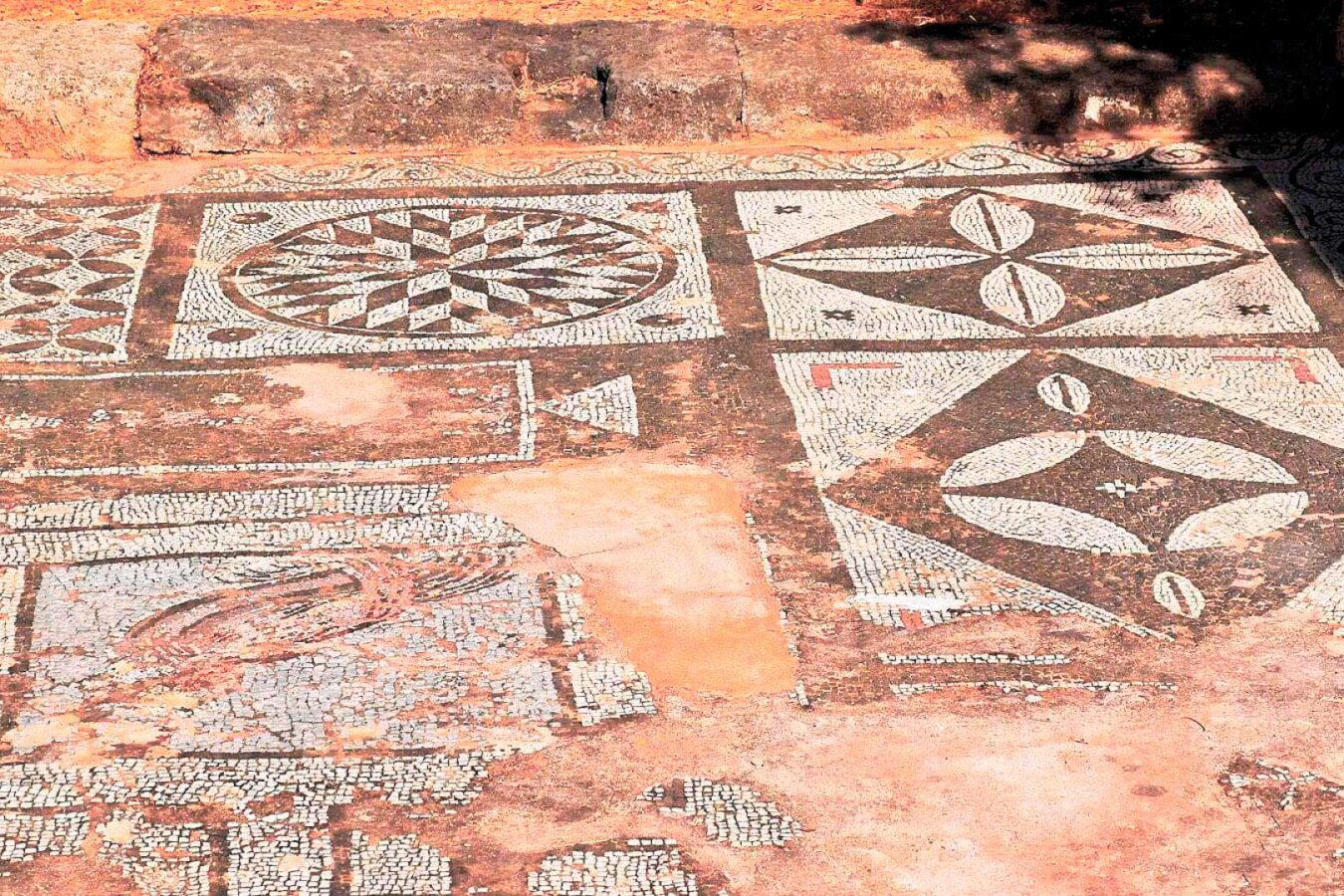
A massive earthquake destroyed the Asclepieion, but the mosaic floor, which features geometric designs and animals, has survived.
Twenty statues discovered at Lissos, together with well-known representations of Asclepius, the Goddess of Health and Pluto are currently on exhibit in the Archaeological Museum of Chania.
In no other city in Crete were so many statues found, except Gortyna, the capital of Crete during Roman rule.
This demonstrates the level of development of the city, as does the fact that it had its own gold coin. The head of the goddess Artemis and a dolphin were depicted on opposite sides of the Lissos coin.
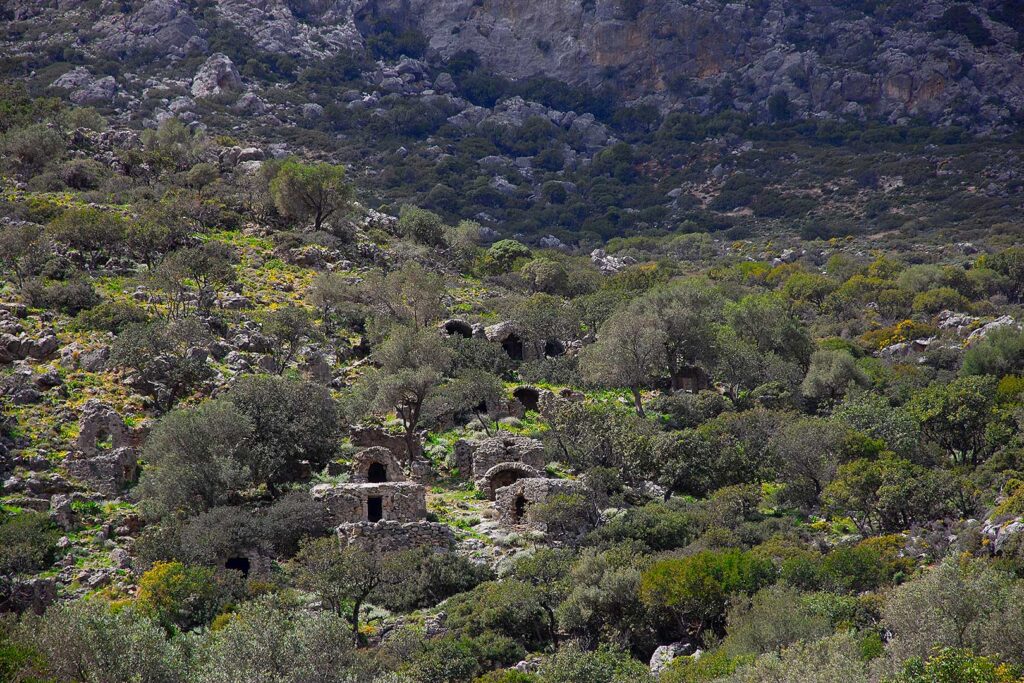
You will be impressed by a stroll through the Lissos Valley because it is dotted with historic remains, including marble fragments, building foundations, and capitals.
On the west slope, you will also notice the Roman cemetery with the domed graves (which resemble tiny dwellings).
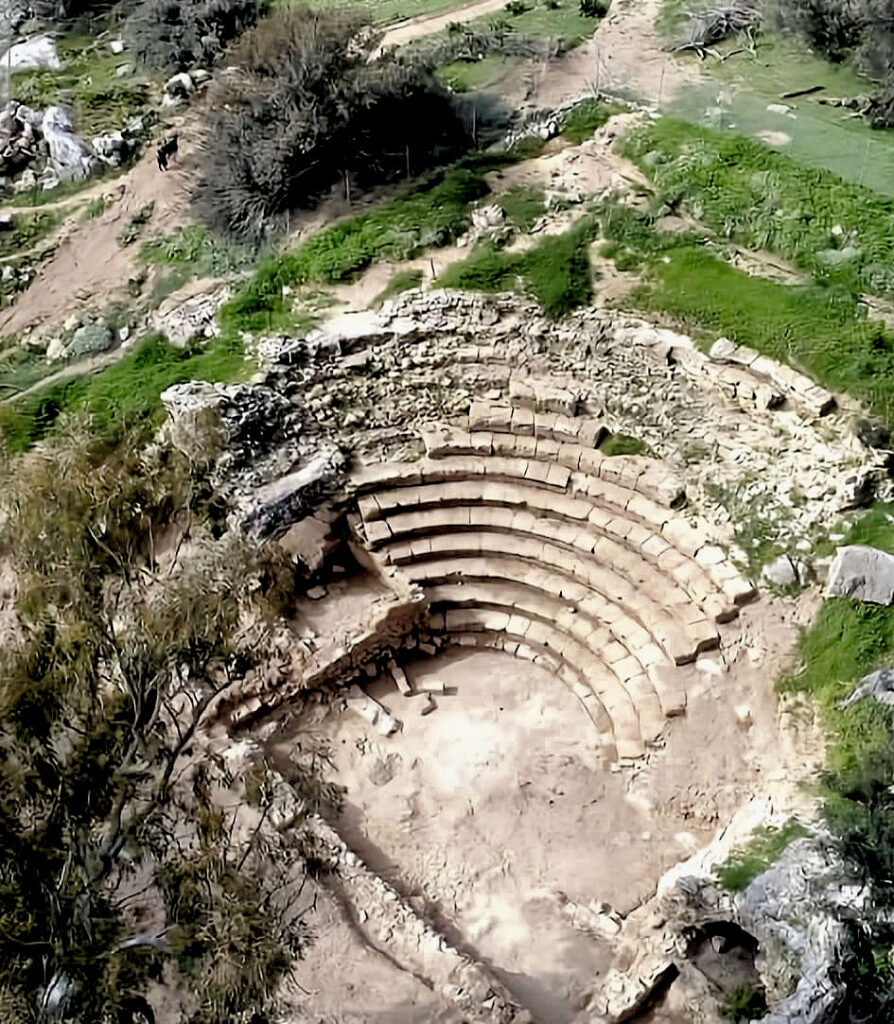
Recently, a significant portion of the ancient city’s Odeum was discovered during excavation.
14 rows of seats (edolia), a section of the stage (skene), and two side chambers with vaulted ceilings were revealed during the initial stages of the study.
Its construction is first estimated to have occurred in the first century AD, during the early Roman era.
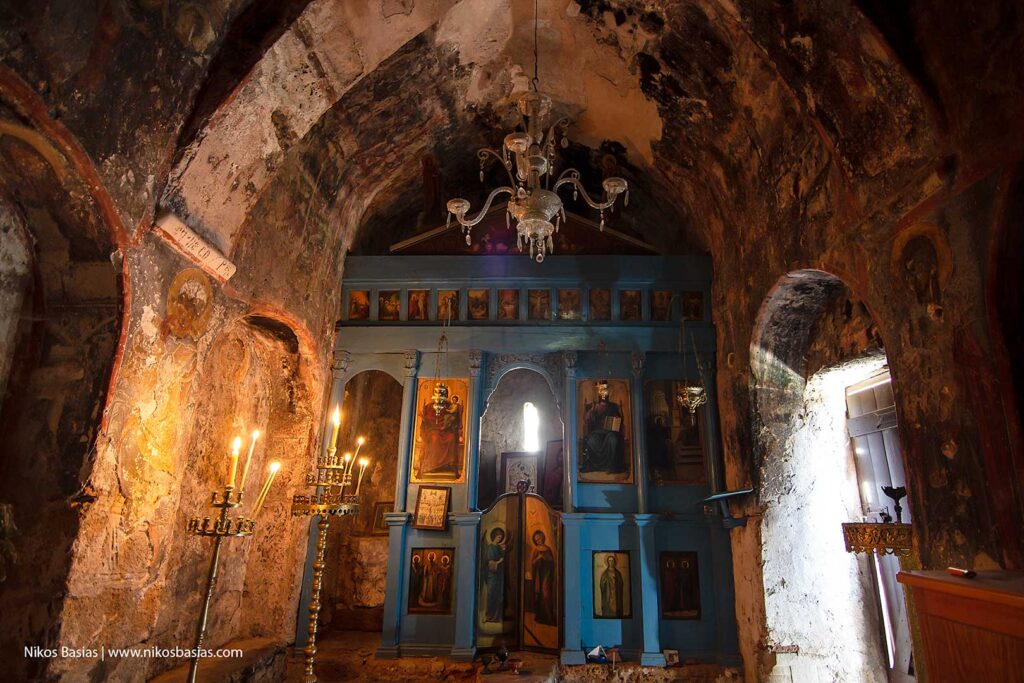
From the Byzantine years , two temples are preserved, both built on the ruins of early Christian temples.
On the west side of the river, close to the intersection of the Odeion (Odeum) and the Asclepieion, stands the first church, the church of Agios Kirikos. July 15 is its celebration day. From Sougia, the pilgrims arrive by boat or foot the night before, stay here, attend the liturgy, and enjoy the prepared party.
Agios Kirikos was killed at the age of just 3 years old with his mother Saint Juliet, by the ruler of the city of Tarsus in Asia Minor at the time of the great persecution of Christians by the Roman emperor Diocletian.
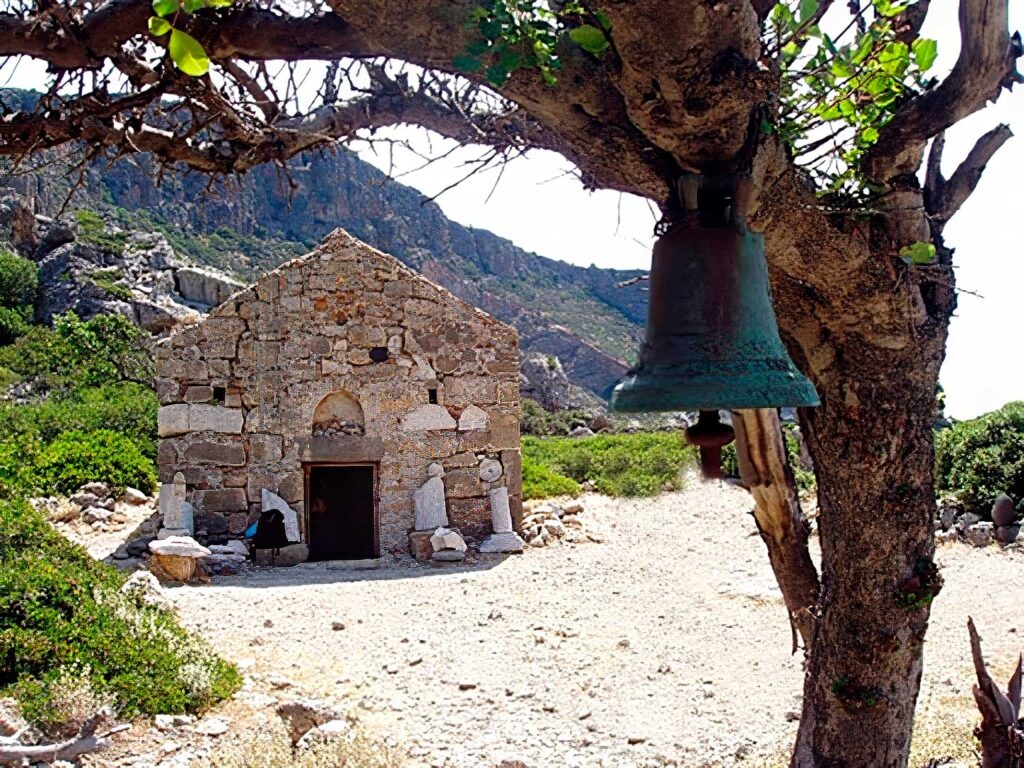
On the left side of the shore stands the second church, the Panagia church.
It is clear that materials from Lissos historic structures were utilized in its construction.
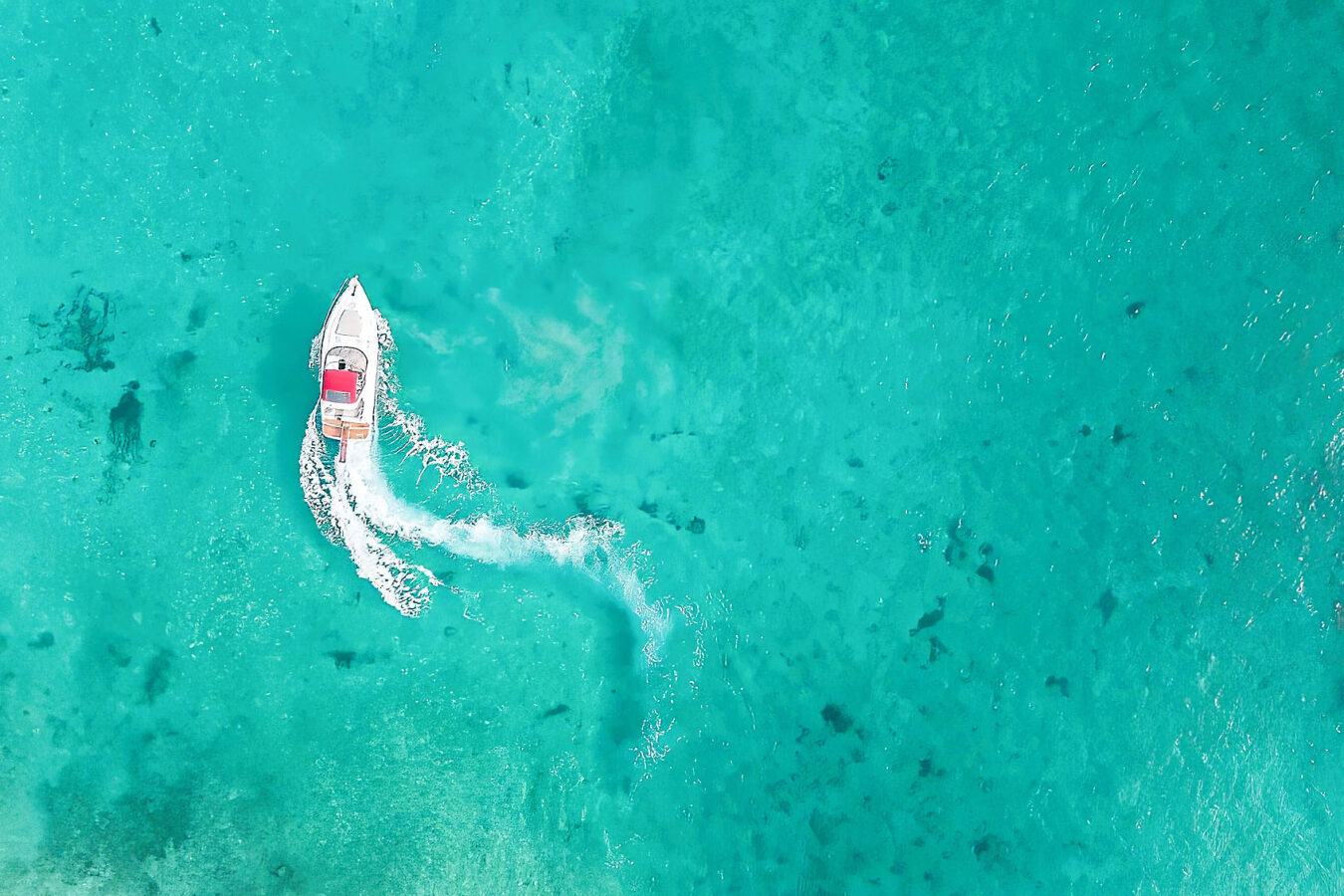
Ancient Lissos can be reached through the gorge of Lissos, which starts from Sougia or also by boat from Sougia, which drops you off at the stunning beach of Agios Kirikos. There is also a dirt road from Prodromi that leads to ancient Lissos or by the E4 trail from Paleochora.
Lissos has an undeveloped beach with thick pebbles that’s perfect for refreshing swims.